Personal Branding: What it Means to be a Man

My 26th birthday is next weekend. Another year older? Yes. Another year wiser? Debatable. But then again as a student of life, I usually consider everything a learning experience. My mom used to tell me everything happens for a reason, and as I reflect on this past year, I can’t help but think towards the future. The question? What kind of man do I want to be? Some might even say, this is a revelation in my own personal branding. Well, there’s a reason behind these reflections.

toxic-masculinity.jpg

Growing up, I always thought I was more in touch with my emotions. I had plenty of avenues to express them. I wrote constantly, I acted in school plays, and I had a great support system of loved ones. My mom is a rockstar. But I’ve come to realize that as I grew up, I even became subject to Toxic Masculinity, a term used to describe socially-constructed ideas of what it means to be a man. Traits that are praised in men, but squashed for women. They’re not always positive either. Territorial, sexual, and violent to just name a few.

As a young gay man, I always felt I wasn’t living up to the idea of masculinity. I realized life events changed my personality. I was bullied constantly in middle school. I grew more aggressive in high school and college because I was navigating my own sexuality and self-worth. I even became stoic once I graduated college, only sharing my feelings with a select few. I developed low self-esteem, something that was new to me. It was as if the sensitive, kind, and ambitious young man I once was changed.


Of course, things got better. I met my boyfriend. In the past two years, he’s challenged me to dive deep into my emotions and to be comfortable in my own skin. As he says constantly, “just be you.” As I started breaking down these barriers, I decided to explore the idea of masculinity further.

I recently picked up Lewis Howes‘ book, The Mask of Masculinity, because Matt McGorry and Justin Baldoni, two actors and activists I admire, both recommended the self-help book on social media. By the way, if you’re not following the hashtag #McGReads, you totally should. You won’t regret McGorry’s recommendations. So when I purchased Howes’ book, I didn’t know what to expect. Surprisingly, it taught me a few things about myself.

Howes helps you remove the masks you hide behind. These masks, whether they be the stoic, aggressive, joker, or even the know-it-all, deter you from building relationships and living authentically. As Howes writes in his book, “…masculinity is a bogus concept. You don’t need to worry about being ‘a man’ or ‘the man’ or anything like that. Don’t pretend to be anything or anyone except who you actually are.” Words to live by.

Some personal branding goals! Any personal growth creates an opportunity to market yourself, right? So, my goal for 26 is to live authentically and to slowly remove my own masks. Why should I fit into society’s standards of what it means to be a man? My goal is to continue building on my relationships, and by doing so, giving more of myself over to others, as Howes suggests. My goal is to live life to the fullest by embracing my vulnerability and to trust the people around me. My goal is to be a better human being.

I applaud Lewis Howes for writing such a thoughtful and enjoyable book. I hope the book continues to help men around the world embrace their vulnerability and to create deep relationships with others. I also applaud Justin Baldoni’s new show, Man Enough, a social movement that explores traditional masculinity in America. And of course, I thank all the men I admire, who continue to revolutionize the way we think about masculinity.

Cheers.

Brands Should Have New Year’s Resolutions, Too

It’s New Years Eve. It’s a time when we all reflect on the past year. What did I accomplish? What could I have done differently? What can I change or improve for the following year? Each and every one of us reflects in our own way and create New Year’s resolutions to accomplish a personal goal.

But, what about brands? Due to a few avoidable mistakes this year, companies created some failed campaigns and PR nightmares. This begs the question, shouldn’t brands have New Year’s resolutions as well? The answer is yes. Let’s take a stroll down memory lane, and reflect on a few of this year’s marketing disasters.


STOP trivializING a social issue

We already know where this is going. While we know Pepsi’s intentions were good (at least I hope so), their delivery? Not so much. Now, Pepsi, marketers understand. The current political climate and the increase in social movements are hot button subjects. We don’t blame you for tapping into those conversations. In fact, it seems like every company is trying in some way to tap into social issues. This method builds you as a progressive brand and as a pioneer. It positions your brand as socially responsible. But Pepsi failed. We all know you can’t solve racism with a can of Pepsi, am I right? Hence the PR nightmare.


New Year’s Resolution: Don’t trivialize activist movements. Treat them with respect and understand the struggle. Feel free to tap into the conversation by aligning your values with the movement, and create a campaign that is thoughtful. Budweiser‘s and Audi‘s Super Bowl LI commercials come to mind.


REVIEW YOUR MESSAGING, Again and Again

You know how “Santa Claus” makes a list and checks it twice? Do the same with your marketing campaigns. Failed campaigns and PR nightmares are usually due to a marketing manager’s failure to research and review carefully. Take a look at Adidas’ email marketing fail. We get it, Adidas. You want to congratulate runners who finished the 2017 Boston Marathon. But, given the marathon’s history, someone should have reviewed the email’s subject line. It was a careless mistake that created social media backlash.


New Year’s Resolution: Review your messaging over and over again. Do some research. You may think a subject line or social media post is harmless, but you’ll be ahead of the game with a quick google search of a topic, phrase, or even a hashtag. Most importantly, think outside the brand’s bubble. Think about how your target audience will interpret your messaging and edit.


HANDLE YOUR CRISIS NOW

This may seem obvious to the average marketing and communications professional, but I’m always amazed at how many brands don’t handle their public relations crises quickly and thoughtfully. United Airlines comes to mind. This is a story that will never be forgotten, because it clearly shows how not to handle a public relations crisis. While the scene of violently dragging a passenger off the plane in itself is horrifying and inhumane, the response was also awful. Not only did the CEO apologize for only having to re-accommodate customers, but he also said that United Airlines staff followed protocol.

New Year’s Resolution: Handle your crisis now, and do so thoughtfully. Avoid a public relations disaster by quickly handling the situation, and releasing a statement that is thoughtful and apologetic. It wasn’t until days later that the brand apologized for the “truly horrific” situation. At this point, a story can grow legs and your brand’s reputation could face severe damage.


So, it’s quite clear that brands also need some New Year’s resolutions as well. These are just some of the easy ways brands can avoid a campaign failure or public relations crisis. If you have an additional New Year’s resolution for brands with an example, feel free to share in the comment section or with me on twitter: @RHernandezBlogs. Wishing you a happy and healthy new year.

…Ready For It?

Say what you want about Taylor Swift. After all, she does have a reputation. But as one of the leading contemporary artists of our time, the multi-grammy-award winning singer-songwriter is also an outstanding marketer. Strip away the awards, the glamorous lifestyle, and the tabloids, and what you have time and time again are successful marketing strategies. Brands can learn a thing or two from the superstar. So, let’s take a look at the five important things brands should know before we talk strategy. All through the lens of T-Swizzle herself. Are you ready for it?

Content Is King

When creating a digital marketing strategy, remember that content is king. It’s what drives your consumers to follow, engage, and share. If you don’t have this content in place, it’ll be harder for your digital strategy to come alive. Want to rise above the rest and increase sales? Make yourself noticed with content that is helpful and entertains. Taylor gets it. Her website is filled with news to share. And most importantly, it’s not always a hard sale. Sometimes it can just be a review or an update. Content that educates, entertains, and inspires, is more likely to push consumers to become brand advocates. Take a look at her social media accounts, like Instagram.


Engage with Your CONSUMERS

Smart marketers get that digital marketing is all about building relationships with your consumers. Gone are the days of shouting at consumers about sales and promotions. Those are the old rules of marketing, right David Meerman Scott? Engage with your consumers on social media, share and comment on blogs about your industry, and of course, address any crises thoughtfully, quickly, and in the same medium. Swift knows that she can’t have any bad blood with her fans aka consumers. She connects with fans online, because she understands that she needs to build on those relationships to be successful, like any brand.


Have a personality

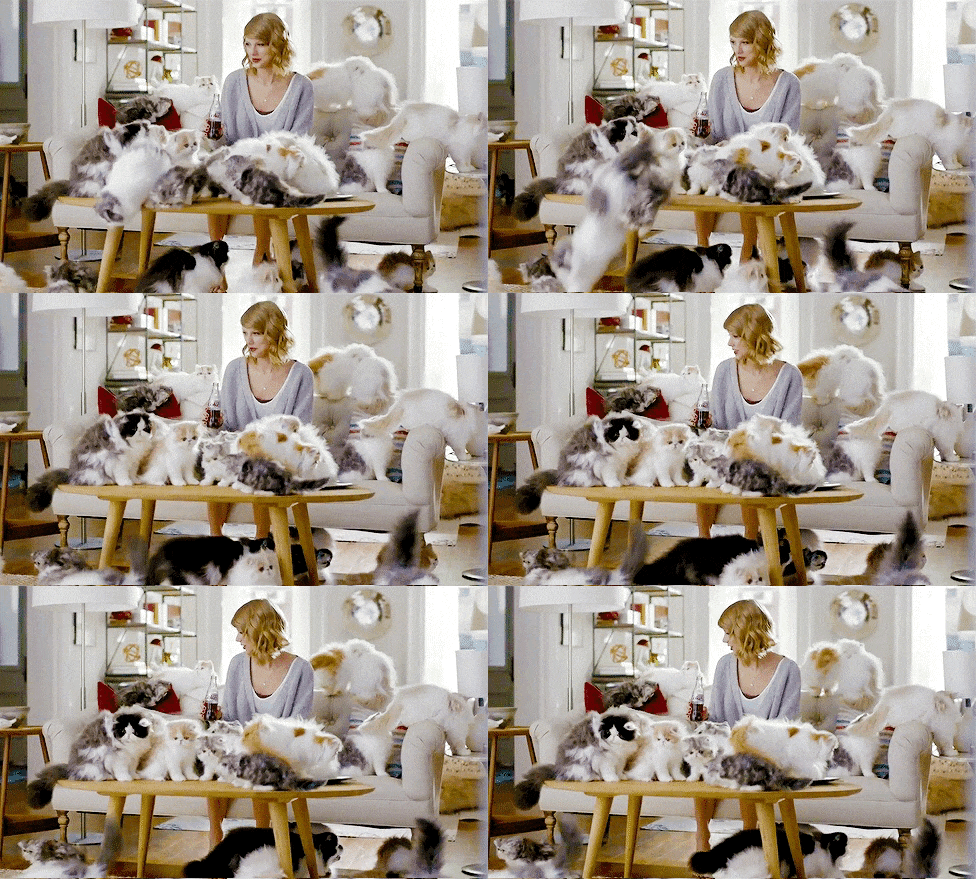
Yes, I mean it. Think about it. Swift is successful because of her music and products. But what makes her relatable and loved by her fans is her authenticity. She’s a cat-loving, wine-drinking, awkward-dancing human being. Her fans connect with her because they can relate to her music and her personality. The haters are going to hate, hate, hate. But you’ll be more successful. Consumers are more likely to connect with brands that are authentic and fascinating. Think Wendy’s quick humorous tweets or Dove’s branded content of embracing all body types. These brands connect with consumers by making them laugh and think.

Know Your Goals From the start

A digital marketing strategy is nothing without your goals. What are you trying to accomplish? What are the business objectives and how can we translate those into specific, measurable, attainable, relevant, and time-based goals. You got it. SMART goals. From the beginning, brands should know what they’re trying to accomplish. Is the objective sales, awareness, or both? Like Tay, you should focus on those goals from the start and create a strategy around that. When a new album is set to be released, Taylor and her team create strategies on everything from the announcement to the stadium tour. And yes, you can have multiple strategies within one strategy. Take a bow, Tay.

Look What You Made Me DO

Here’s the truth from Tay’s red lips: Listen to your consumers. You may think you know what your consumers want, but you don’t. Listen to what they’re saying online and offline. If you’re brave enough, ask consumers want they want from the beginning. It’ll save you time and energy. That’s what Swift did. When asked what consumers wanted to hear at the Grammy Awards, she listened. Brands need to spend more time listening to consumers. If you’re lost, use data to find it out. It can help you gain insights.

Now we can talk strategy. Feel free to reach out via email for any recommendations on how you can achieve your business goals.


To Bot or Not To Bot?

To bot or not to bot? Now say that three times fast.

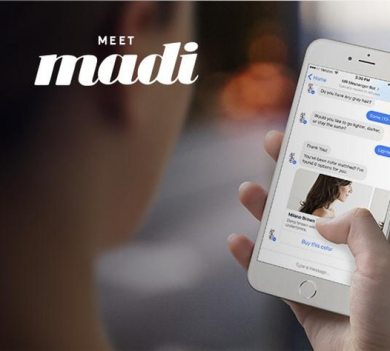
No, really. As a marketer, you need to keep asking yourself whether a messenger bot is right for your brand. We’ve all heard the horror stories. Bots can cause frustrating experiences for consumers because of their lack of, dare I say, human interaction. This can lead to a decrease in sales, engagement, and brand loyalty. Or course, it could be worse. The bot could end up racist and sexist. Yes, it actually happened. Look here.

What about some success stories? Beauty brands across digital are using messenger bots to drive revenue, and they’re actually working. Estée Lauder, Kiehl’s, and Sephora are just a few brands that are killing the bot game. Why? They’re creating personalized smart bots that make it easier for consumers to search for what they’re looking for in real time.

Are the days of fighting with bots gone? Not sure, but we’re getting there. With about 1.3 billion Facebook Messenger users, companies are creating one-on-one experiences with consumers in ways they couldn’t before. Sephora’s Virtual Makeup Artist helps you find the right lipstick. And I’m not talking about just typing in “ruby red lipstick.” Forbes’ Adelyn Zhou says users can snap a picture of their red dress and the system will find a color match for that user. They will even augment a selfie with that exact ruby red lipstick. Talk about a smart bot.

Estée Lauder has been a messenger champion for awhile now. In 2016, the brand launched a messenger bot for shoppers to order holiday gifts while the company had them delivered throughout London in an hour or less. That’s not all. According to Mobile Marketer, the brand uses a bot to help consumers find a foundation shade that matches their skin tone and preferences. Like many of these bots, you can even buy the product via the messenger bot.

Scheduling consultations, finding color matches, and buying products. Messenger bots are the latest fad, but it will grow legs because consumers are abandoning brick and mortar stores, and opting in for a personalized digital experience. But sometimes a bot isn’t the best option for a brand.

The brand, 1-800 Flowers allows users to order flowers right from the bot, but according to Digiday, the bot doesn’t exactly offer all options from the website. News organizations also incorporated chat bots for their own brands with little success. It goes to show that brands need to evaluate their goals, understand the consumer’s needs, and decide whether a bot can help those needs.

It’s no surprise that beauty brands are succeeding in this trend. They can use bots to provide personalized experiences, beautiful creatives, and easy-to-access information for users. If you’re a beauty brand who needs to create unique one-on-one experiences with your consumers, I would highly recommend the tactic. After all, who doesn’t want a personalized beauty stylist for their everyday needs?

Big Data: Does it Have all the Answers?

It’s the holiday season, so that means one thing. Cookies! But I’m not talking about the ones you’re leaving for Santa. I’m talking about the cookies companies are using to track your whereabouts on the Internet. Checking out a pair of shoes? Get ready to see them in an advertisement on another page later. All because of data. This may be seem bothersome and creepy at times, right?

It doesn’t end there. According to sources like FiveThirtyEight, more tactics are entering the digital space. But it’s all to help marketers. So, the question remains, can big data do it all?

Now, I’m not one of those marketers who hates data. I actually think it’s good because data helps us make better decisions for campaigns. Don’t know your target audience? Look at the data. Where is your target consuming content? Look at the data. Want to create a strategy to achieve your goals? Say it with me. “Look at the data.”

Data can be extremely helpful to gain insights. In the age of digital, you can find out so much about your target audience, according to Business to Community. You can identify a consumer’s age, gender, income, geographic location, and more. Using this data, you can really target your campaign to a specific group of people, rather than the masses. And of course, data from analytic tools can help you measure and evaluate what tactics are working in your campaign.

But in my opinion, we have gone too far. There’s just too much data, and at the end of the day, it’s limited because we can’t trust it all. Marketing Land’s Columnist Kohki Yamaguchi said it best. Data is biased, cannot be applied to all channels, and of course, has difficulty answering the “why.” Big data cannot provide real-world teachings because of these limitations. It’s up to us as marketers to understand our consumers and compile small sets of data to answer the tough questions.

But here’s what’s important. Data alone can’t help marketers make better decisions. This is when we need to tap into our consumers. Because to consumers, data is a matter of trust, according to Forbes. Consumers are willing to provide their data, but not so that they can be interrupted with advertising. It’s all for a unique experience. Netflix runs data to provide consumers with recommended shows and movies. This is not all. Netflix also ran the data and made the decision to create House of Cards, which they knew was going to be a hit. Here’s how. Netflix gave consumers what they wanted. They’re not the only ones. Amazon provides consumers with recommended items for purchase. What’s the trend? Providing each consumer with a unique experience through the use of their data.

When buzz words like “big data” are mentioned, we lose sight of the consumer. Big data can tell you a lot, but it can’t tell you everything about your consumers. This is when your expertise comes in. Yes, you need the algorithm to run the numbers and you need to analyze those numbers to make better decisions. But it’s using the data with your intuition and your knowledge of the consumer that helps you reach your goals. Data is useful, but not on its own. Think outside the box, or in this case, the data.